Establishing and managing a small hospital in India is a rewarding yet complex venture. Healthcare entrepreneurs and administrators face numerous obstacles that demand strategic planning, financial prudence, and operational excellence. Understanding these challenges and implementing effective solutions can make the difference between success and struggle in India’s competitive healthcare landscape.
1. Budget Constraints and Financial Management
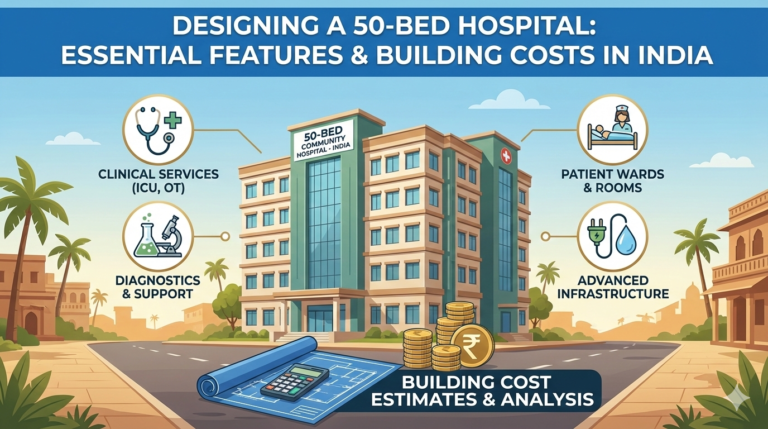
Financial planning remains the foremost challenge for small hospitals in India. The initial capital investment required for infrastructure, medical equipment, and technology can be overwhelming, often ranging from several crores depending on the facility’s size and specialization.
Key Financial Challenges:
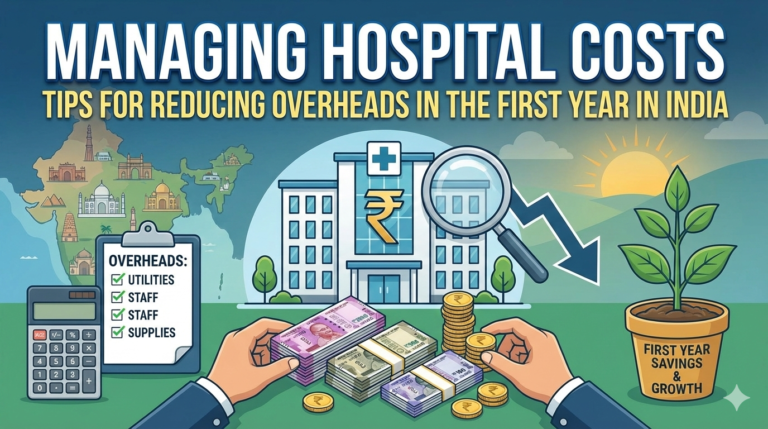
Small hospitals must balance the cost of advanced medical equipment with limited budgets while maintaining quality care standards. Cash flow management becomes critical as most hospitals face delayed payments from insurance companies and government schemes. Additionally, operational expenses including utilities, maintenance, consumables, and staff salaries create ongoing financial pressure.
Practical Solutions:
Develop a comprehensive financial plan with realistic projections for at least three to five years. Consider leasing expensive medical equipment instead of purchasing outright to reduce initial capital requirements. Establish relationships with multiple financial institutions for working capital support and emergency funding. Implement robust billing and collection systems to minimize payment delays, and explore government schemes and subsidies available for healthcare infrastructure development in rural and semi-urban areas.
2. Staffing and Human Resource Management
Attracting and retaining qualified medical professionals represents one of the most persistent challenges for small hospitals, particularly those located outside major metropolitan areas.
Recruitment Difficulties:
Qualified doctors, nurses, and paramedical staff often prefer working in larger hospitals or urban centers where they have access to better facilities, higher compensation, and professional growth opportunities. Small hospitals struggle to compete with the attractive packages offered by corporate hospital chains. The shortage of specialized medical professionals in India further intensifies this challenge.
Effective Strategies:
Create a positive work environment that emphasizes work-life balance and professional development. Offer competitive compensation packages that may include performance incentives, housing allowances, and continuing education opportunities. Partner with medical colleges for internship and residency programs to create a talent pipeline. Invest in training programs to upskill existing staff and reduce dependence on external hiring. Consider telemedicine partnerships with urban specialists to enhance your service offerings while managing staffing constraints.
3. Regulatory Compliance and Licensing Requirements
Navigating India’s complex healthcare regulatory framework presents significant challenges for small hospital operators who often lack dedicated legal and compliance teams.
Regulatory Landscape:
Small hospitals must obtain multiple licenses and registrations from various authorities including the Clinical Establishments Act registration, Fire and Safety clearances, Bio-Medical Waste Management authorization, and Pollution Control Board clearances. State-specific regulations add another layer of complexity. The Pre-Conception and Pre-Natal Diagnostic Techniques Act, drugs and pharmacy licensing, and Professional Tax registration each require careful attention to detail and ongoing compliance.
Compliance Solutions:
Engage a healthcare consultant or legal advisor who specializes in medical regulations during the planning phase itself. Create a compliance calendar tracking all renewal dates and inspection schedules to avoid lapses. Designate a staff member as the compliance officer responsible for maintaining all documentation and coordinating with regulatory authorities. Join hospital associations and industry bodies that provide guidance on regulatory changes and best practices. Implement standard operating procedures that align with regulatory requirements from day one.
4. Infrastructure and Equipment Management
Maintaining modern infrastructure and medical equipment while working within budget constraints requires careful planning and smart decision-making.
Infrastructure Challenges:
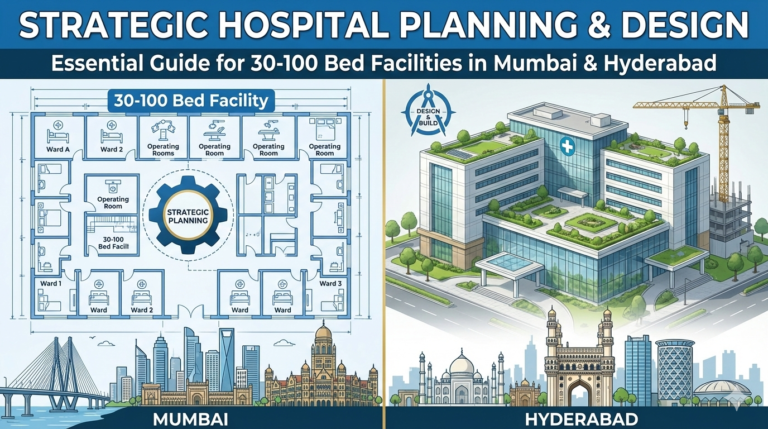
Small hospitals must balance the need for patient-friendly, modern facilities with construction and maintenance costs. Power backup systems, water treatment facilities, and proper ventilation systems are essential but expensive. Medical equipment requires regular calibration, maintenance, and eventual replacement, creating ongoing capital expenditure needs. Space optimization becomes crucial as expansion possibilities may be limited.
Smart Infrastructure Management:
Prioritize infrastructure investments based on patient needs and service offerings rather than trying to match larger hospitals. Implement preventive maintenance schedules for all equipment to extend lifespan and reduce breakdown costs. Consider refurbished or certified pre-owned equipment for certain departments where appropriate. Invest in energy-efficient systems to reduce long-term operational costs. Plan your layout efficiently from the beginning, allowing for future expansion without major reconstruction. Explore public-private partnership models for infrastructure development where applicable.
5. Quality Standards and Accreditation
Maintaining high-quality care standards while managing costs and competing with larger hospitals presents an ongoing challenge for small healthcare facilities.
Quality Management Issues:
Small hospitals often lack the resources for dedicated quality assurance teams and sophisticated quality management systems. Patient expectations have risen significantly, influenced by experiences at corporate hospitals and international healthcare standards. Infection control, patient safety protocols, and clinical governance require systematic implementation and monitoring. Achieving accreditation from bodies like NABH or NABL involves significant investment in processes, documentation, and infrastructure upgrades.
Building Quality Excellence:
Start with basic quality protocols and gradually build toward accreditation rather than attempting everything simultaneously. Form a quality improvement committee with representatives from all departments to drive initiatives. Implement simple but effective systems for infection control, medication management, and patient safety. Encourage a culture of continuous improvement where staff members can suggest and implement improvements. Document all processes and protocols systematically, creating a foundation for future accreditation. Consider starting with entry-level certifications before pursuing comprehensive accreditation. Benchmark against similar-sized successful hospitals and learn from their quality management approaches.
Moving Forward: A Holistic Approach
Successfully building and running a small hospital in India requires addressing these challenges through an integrated, strategic approach. While the obstacles are significant, they are not insurmountable. Many successful small hospitals have demonstrated that with careful planning, efficient management, and unwavering commitment to quality patient care, it is possible to establish a sustainable healthcare facility.
The key lies in realistic goal-setting, phased implementation, and maintaining flexibility to adapt to changing circumstances. Small hospitals must leverage their advantages such as personalized patient care, community connection, and operational agility while systematically addressing their limitations through smart partnerships, efficient resource management, and continuous improvement.
As India’s healthcare needs continue to grow, particularly in tier-2 and tier-3 cities and rural areas, well-managed small hospitals play a crucial role in expanding access to quality healthcare. By understanding and proactively addressing these five key challenges, healthcare entrepreneurs can build facilities that not only survive but thrive, delivering valuable healthcare services to their communities while achieving financial sustainability.
For expert guidance on hospital planning, design, and construction that addresses these challenges from the ground up, consider consulting with experienced healthcare consultants who understand the unique requirements of India’s healthcare landscape. Proper planning during the initial phases can help avoid many common pitfalls and set your hospital on the path to long-term success.
Transform Your Vision Into a
World-Class Hospital.
Hoscraft has helped doctors and healthcare entrepreneurs across India plan, design and build their dream hospitals. Let us help you too.